Custom Orthotics Gold Coast
Custom orthotics are individually prescribed shoe inserts designed to support your feet, redistribute pressure and improve comfort and function. At The Foot Stop’s Gold Coast podiatry clinic in Elanora, our podiatrists assess your feet, walking pattern, footwear and individual needs before determining whether custom orthotics are suitable for you.
We offer personalised orthotics to ensure children, adults, seniors, and sports athletes can treat the issue at hand, improve foot function and relieve pain. At our Gold Coast Podiatry Clinic we prescribe 3D printed, customised orthotics on a regular basis.
What Are Custom Orthotics?
Custom orthotics are supportive devices made specifically for the shape and functional needs of your feet. They sit inside your shoes and may be prescribed to change how pressure is distributed, provide support or cushioning, and improve comfort during walking, standing, work or physical activity.
Unlike a standard insole purchased from a pharmacy or shoe store, a custom orthotic is prescribed after a podiatry assessment. Its shape, materials, firmness, cushioning and features can be adjusted to suit your feet, symptoms, footwear and lifestyle.
Children’s Orthotics
Our children are the future! We aim to improve foot function, alignment and stability. Children’s orthotics can be of huge benefit in ensuring healthy development. Your child’s foot health is imperative to maintain a healthy developing body and should be treated by specialised health professionals.
At our Gold Coast Podiatry clinic our children’s podiatrists are experienced in prescribing orthotics for children of all ages.
Adult’s Orthotics
Here at The Foot Stop, we are able to help reduce pain and increase mobility for those people who have ongoing foot and leg issues. Many foot issues can be treated with customised orthotics and through correct diagnosis and management, we can prevent further damages occurring to the body by offloading and supporting the foot structures when required.
Orthotics are used in our Gold Coast Clinic to help treat many common adult foot conditions as well as prevent further damage, like arthritis occurring.
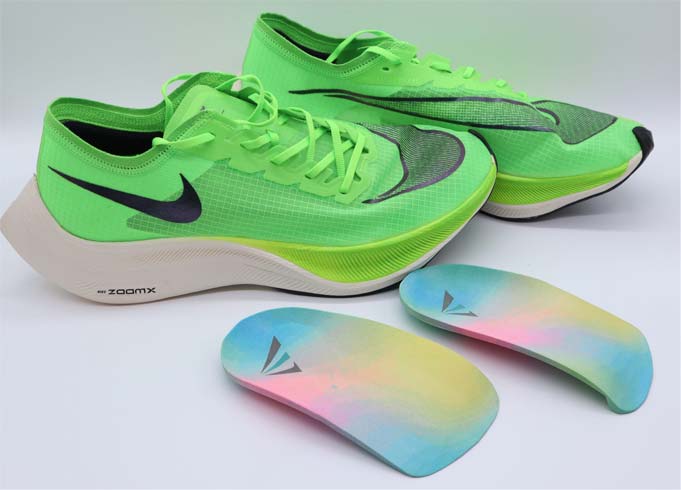
Sports Orthotics
Athletes’ feet are put under a great deal of stress every day. The feet are expected to suffer much more strain, pressure and movement than the normal adult foot. Many athletes who are finding themselves struggling to meet a personal best, or just finding that they are not recovering as quickly, may benefit greatly from sports orthotics in conjunction with a customised rehabilitation exercise programme. Orthotic devices can help your feet and legs function more efficiently when worn inside your sporting footwear or athletic shoes. As a result, muscle function can improve and can reduce fatigue.
How Do I Know If I Need Orthotics?
You may benefit from an orthotics assessment if you experience recurring foot, heel, ankle or lower limb discomfort, particularly when walking, standing, working or exercising. You may also notice uneven shoe wear, difficulty finding comfortable footwear or symptoms that continue despite rest or changing shoes.
Signs that may lead to an orthotics assessment include:
- Recurring heel or arch pain
- Foot fatigue during walking or standing
- Flat feet or high arches associated with discomfort
- Uneven pressure or recurring callus
- Foot or ankle instability
- Pain that develops during sport or exercise
- Uneven or unusual shoe wear
- Changes in walking or running patterns
These signs do not automatically mean that you need custom orthotics. A podiatrist can assess your feet and movement to identify the most suitable treatment options. You can learn more about whether everyone needs orthotics in our knowledge base.
What Conditions Can Custom Orthotics Help Manage?
Custom orthotics may form part of a management plan for a range of foot and lower limb concerns. Their suitability depends on your symptoms, foot function, health history, activity levels and treatment goals.
Orthotics may be considered for people experiencing:
- Plantar heel pain or plantar fasciitis
- Flat feet associated with pain or fatigue
- High arches and increased areas of pressure
- Recurring foot or ankle discomfort
- Forefoot pain
- Pressure-related corns or callus
- Foot or ankle instability
- Some sporting and overuse injuries
- Arthritis-related foot discomfort
- Biomechanical concerns affecting walking or running
Orthotics do not treat every cause of foot or lower limb pain. Your podiatrist will first assess the possible cause of your symptoms and discuss whether orthotics are likely to be helpful for your situation.
What Happens During an Orthotics Assessment?
Your appointment begins with a discussion about your symptoms, medical history, everyday activities, work requirements, sport and footwear. Your podiatrist will then assess your feet and lower limbs to understand how they move and function.
The assessment may include looking at your foot posture, joint movement, muscle strength, flexibility, balance and walking pattern. Your podiatrist may also examine the wear patterns and fit of your usual shoes.
Where appropriate, 3D digital foot scanning may be used to capture detailed information about the shape of your feet. This information can assist with designing orthotics that match your individual prescription.
You can read more about what to expect during a biomechanical assessment.
What Should I Bring to My Appointment?
Please bring the shoes you wear most often, including work shoes, walking shoes or sports shoes where relevant. If you use different shoes for different activities, bringing more than one pair can help your podiatrist recommend an option that fits your lifestyle.
You should also bring any existing orthotics, braces or insoles you currently use. If your symptoms are related to sport, it can be helpful to provide information about your training routine, recent changes in activity and when the discomfort usually occurs.
How Are Custom Orthotics Made?
If custom orthotics are recommended, your podiatrist will create an individual prescription based on your assessment and 3D foot scan. This prescription can specify the shape, support, cushioning, materials and modifications required for your feet.
The orthotics are then manufactured to match the prescription. Once they are ready, a fitting appointment allows your podiatrist to check how they sit inside your shoes, assess your comfort and explain how to gradually begin wearing them.
Custom orthotics can be designed in different lengths, widths, materials and levels of flexibility. The most suitable design will depend on your needs, footwear, activity level and the purpose of the orthotics.
Custom Orthotics vs Store-Bought Insoles
Store-bought insoles are produced in standard sizes and may provide general cushioning or mild support. They can be suitable for some people, particularly when symptoms are minor or temporary.
Custom orthotics are prescribed after an individual assessment and are made for your specific feet. They also allow the podiatrist to select particular materials, support levels and modifications based on your symptoms and footwear.
Custom does not always mean that it is the only suitable option. Your podiatrist may recommend a store-bought insole, a footwear change or another treatment before considering custom orthotics. Read our complete comparison of custom orthotics and over-the-counter orthotics.
Do I need a referral for custom orthotics?
No referral is generally required to book a private orthotics assessment with a podiatrist. Referral requirements may apply if you are accessing a particular funding program or healthcare rebate.Custom Orthotics at Our Gold Coast Podiatry Clinic
The Foot Stop provides custom orthotics assessments at our Gold Coast podiatry clinic in Elanora. Our podiatrists assess your feet, movement, footwear and individual needs before recommending an appropriate treatment plan.
You do not need a referral to book a private podiatry appointment. If you are using a particular funding program or claiming through private health insurance, referral and rebate requirements may vary.
If you would like to find out whether custom orthotics may be suitable for you or your child, request a podiatry appointment with The Foot Stop.
Custom Orthotics FAQs
Custom orthotics are individually prescribed shoe inserts designed to support the feet, redistribute pressure and improve comfort or function. They are made according to a podiatrist’s assessment of your feet, movement, symptoms, footwear and individual needs.
You may benefit from an assessment if you experience recurring foot, heel or ankle pain, foot fatigue, uneven shoe wear, instability or discomfort during walking, standing or exercise. These symptoms do not automatically mean that you need orthotics, so a podiatry assessment is recommended.
No. Many people have flat feet without pain or difficulty moving and do not require orthotics. Orthotics may be considered when flat feet are associated with discomfort, fatigue, instability or difficulty with everyday activities.
The podiatrist will discuss your symptoms and assess your feet, lower limbs, movement and footwear. The assessment may include examining joint movement, muscle strength, flexibility, balance and walking pattern. A 3D foot scan may also be completed if custom orthotics are being considered.
Custom orthotics are made using an individual prescription created by your podiatrist. The prescription is based on your assessment and may include information from a 3D digital scan of your feet. The materials, shape, cushioning and support can be customised for your needs.
Store-bought insoles are made in standard sizes and provide general cushioning or support. Custom orthotics are prescribed after an individual podiatry assessment and are manufactured for your feet, symptoms, footwear and treatment goals.
Yes, children can wear custom orthotics when they are clinically appropriate. However, not every child with flat feet or an unusual walking pattern needs them. A children’s podiatry assessment can determine whether orthotics, exercises, footwear changes or monitoring are suitable.
Orthotics can often be moved between shoes when the shoes have a similar fit, depth and internal shape. Some footwear may not have enough space. Bring your regularly worn shoes to your appointment so your podiatrist can advise you about suitable options.
Adjustment times vary. Your podiatrist will usually recommend gradually increasing how long you wear your orthotics. They should not cause significant or ongoing pain, so contact the clinic if discomfort does not settle or if the orthotics need adjusting.
The lifespan of custom orthotics depends on their materials, how frequently they are worn, your activities and changes in your feet. They should be reviewed if they become uncomfortable, appear damaged or no longer fit correctly.
The Foot Stop provides custom orthotics assessments at its Gold Coast podiatry clinic in Elanora. You can book directly with the clinic without a referral for a private appointment.